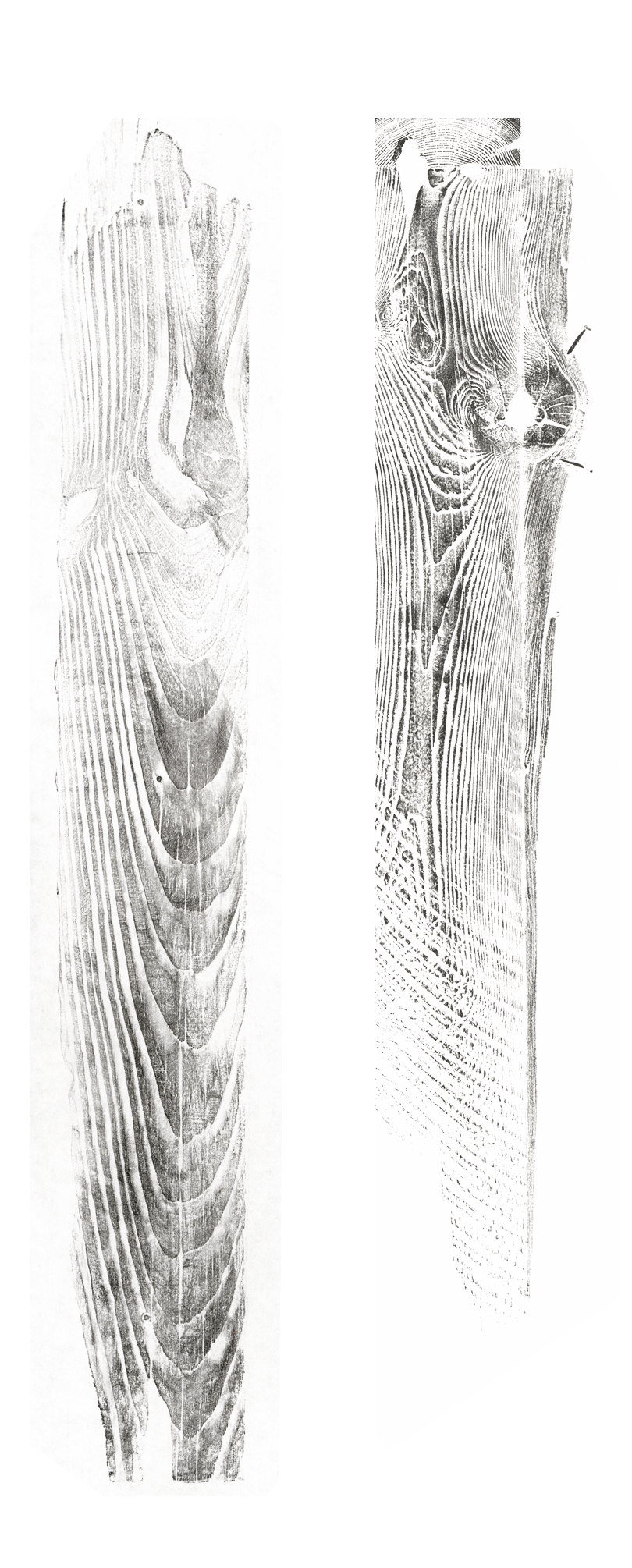
Saw Marking
Craig Hudson
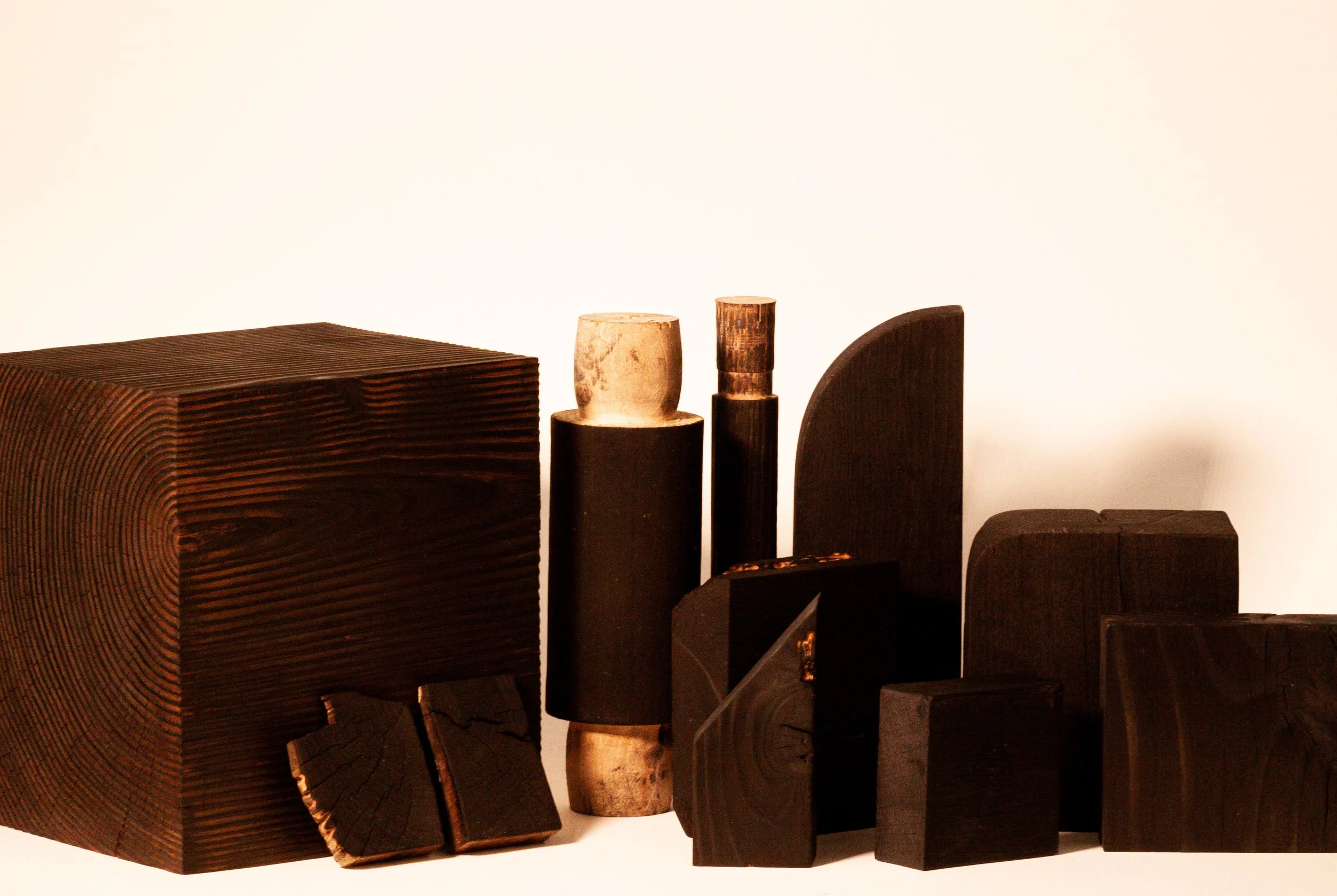
This article delves into the convergence of two parallel narratives— one unfolding through the personal experiences of author Craig Hudson while the other emanating from the realm of nature.
Rooted in his upbringing in the Oak forests of Michigan, woodworking has an enduring presence in Craig’s life. From early days spent alongside his parents working construction to running a small business selling bowls, Craig’s approach to woodworking has consistently started with living trees rather than processed lumber. For him, wood transcends being a mere “resource” for human endeavors; it is the flesh of a living being that he has come to appreciate in its nuanced complexity. Yet, in the broader contemporary context, wood often undergoes reduction, becoming a commodified item disconnected from its complex biological origins. Now a student at Taubman College, University of Michigan, Craig seamlessly integrates his rich woodworking experience and profound reverence for wood into his academic pursuits.
Within this visually engaging work, Craig endeavors to bridge theoretical and practical dimensions, interweaving the natural and the man-made. He explores how the seemingly straightforward “cuts” on wood reveal forgotten memories from the biological sources often taken for granted, juxtaposed with the transformative impacts of human intervention. Craig articulates, “The way we work wood can either reveal the life of the tree or obscure it,” underscoring his goal to spotlight the dualities inherent in modern life—between extractive industrial processes and the biological underpinnings that drive them.
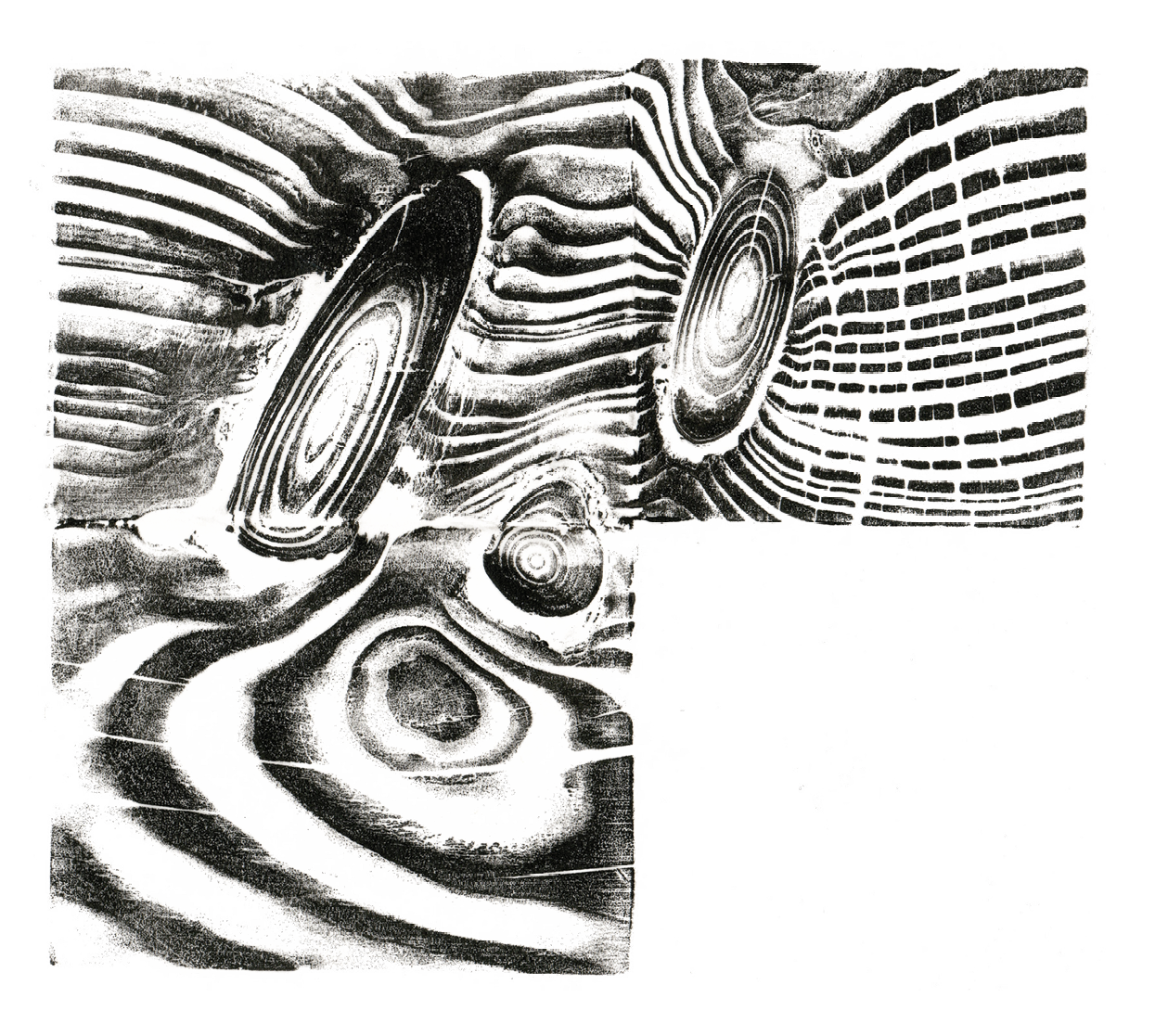
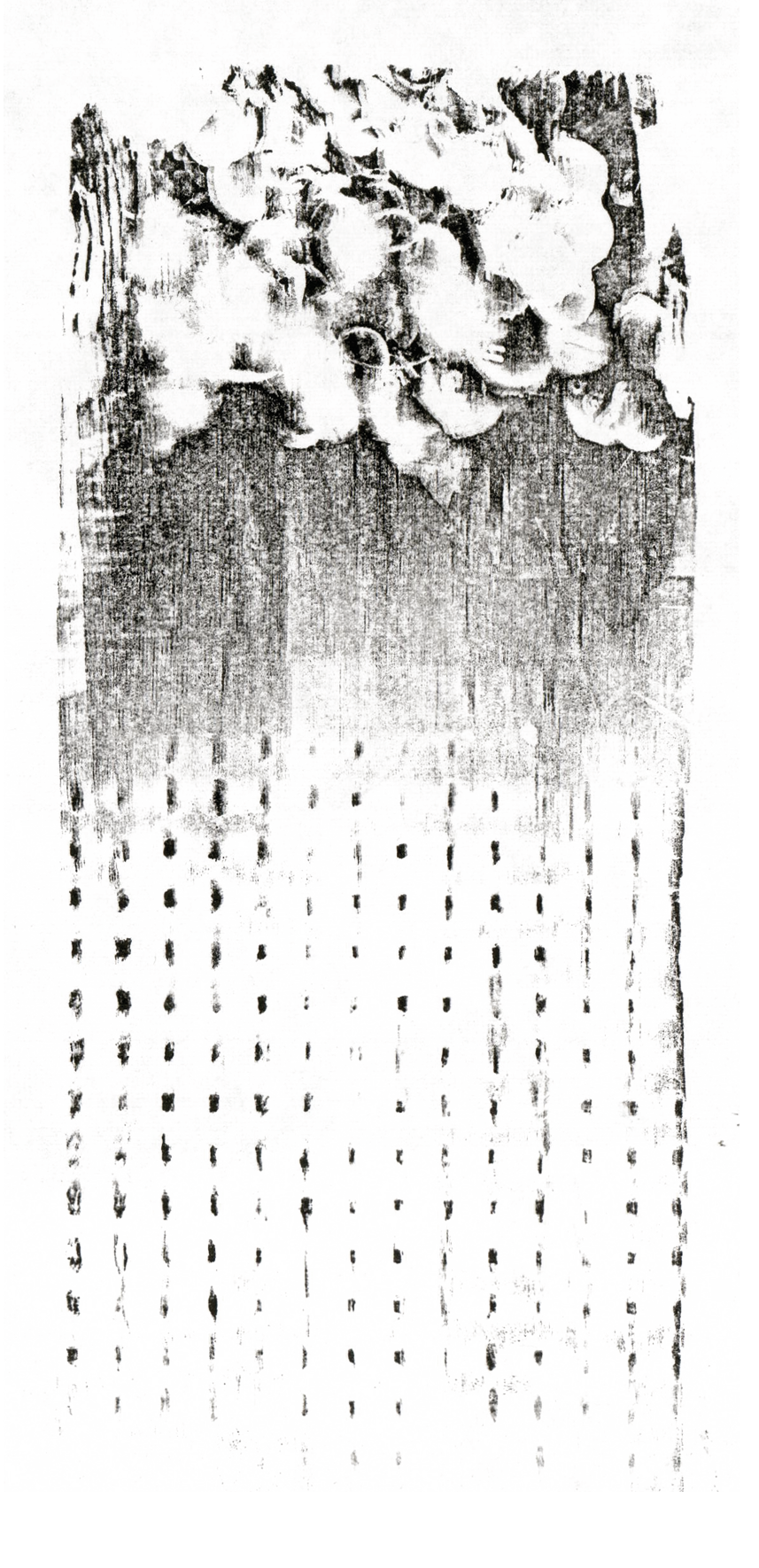
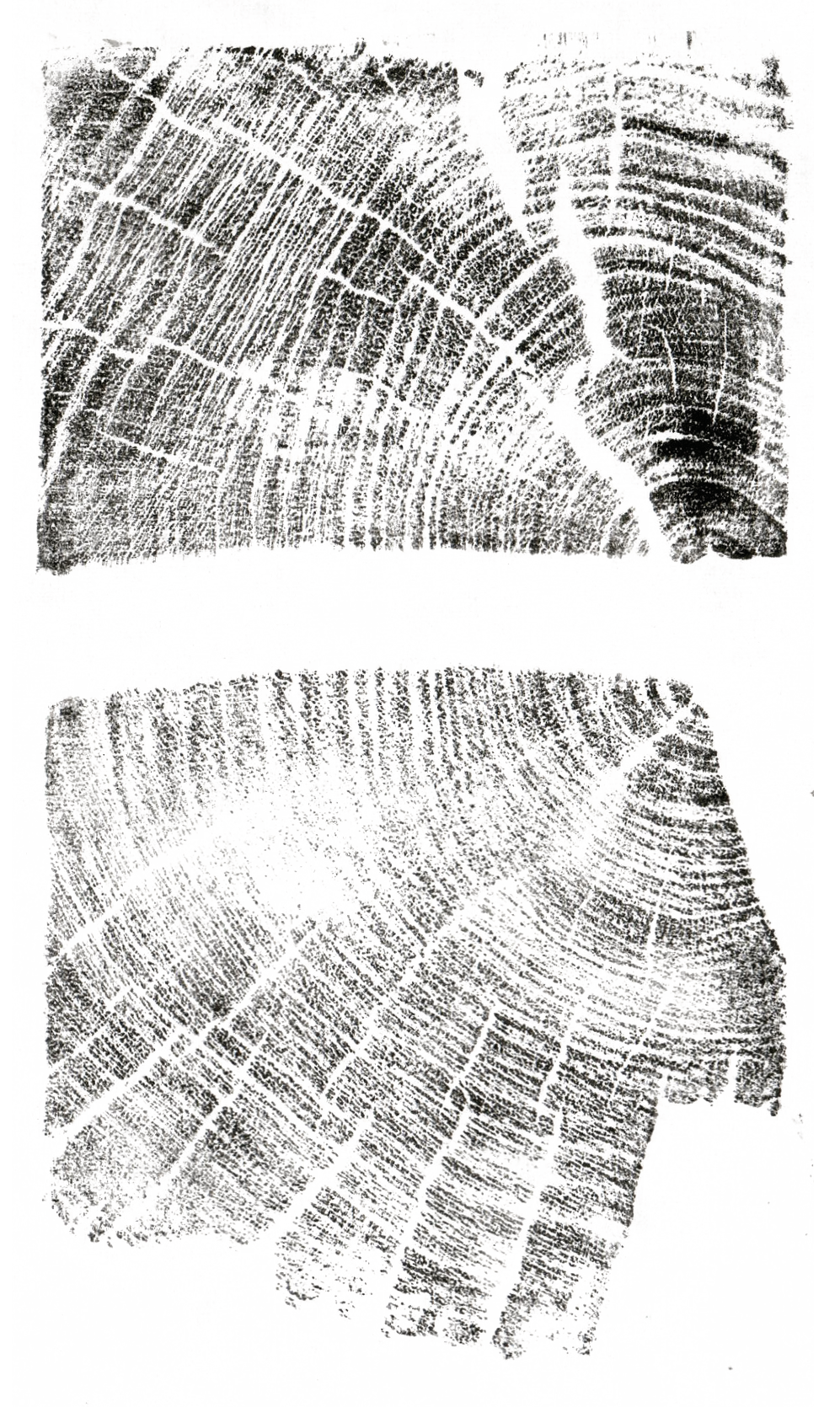
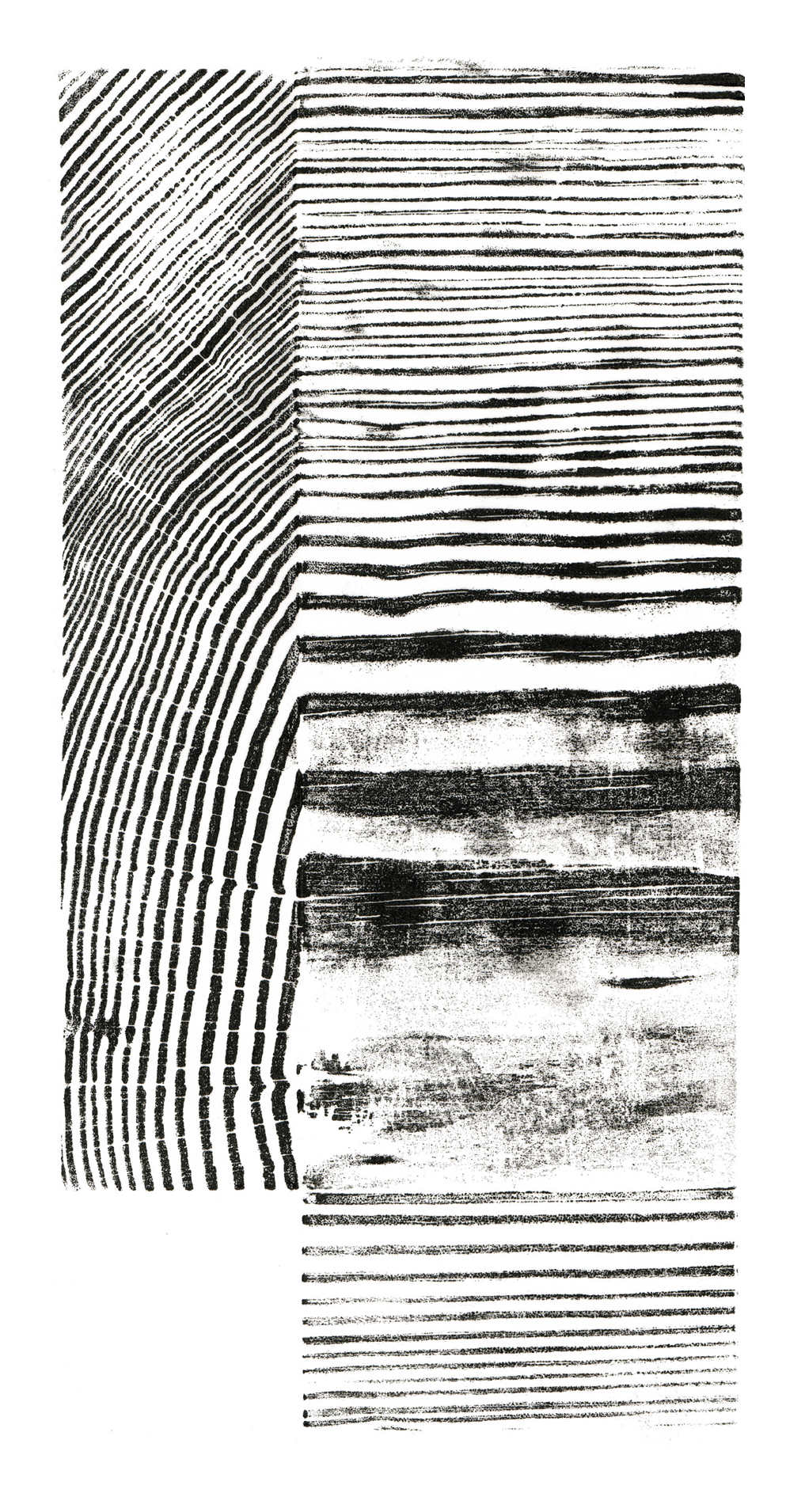
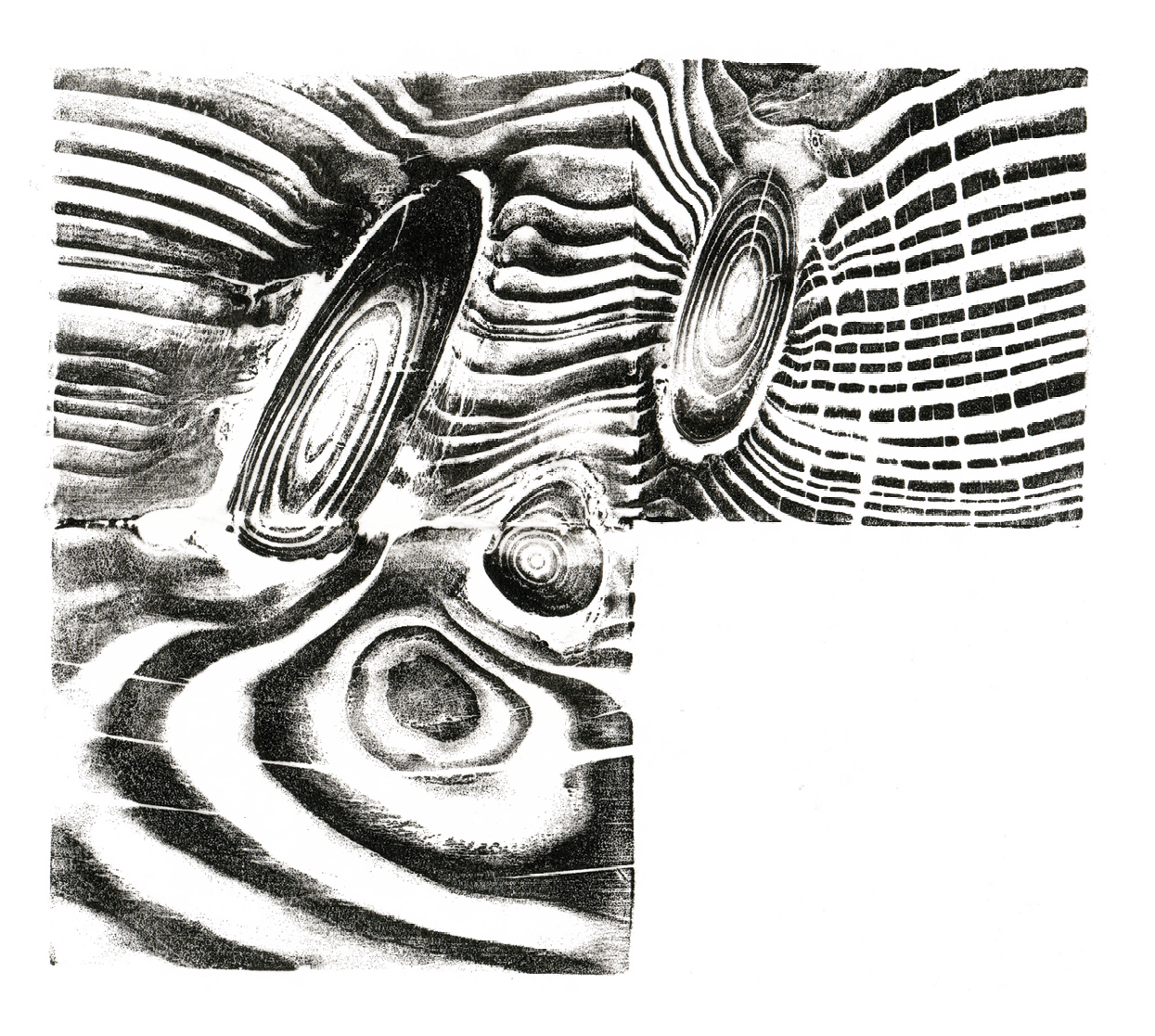
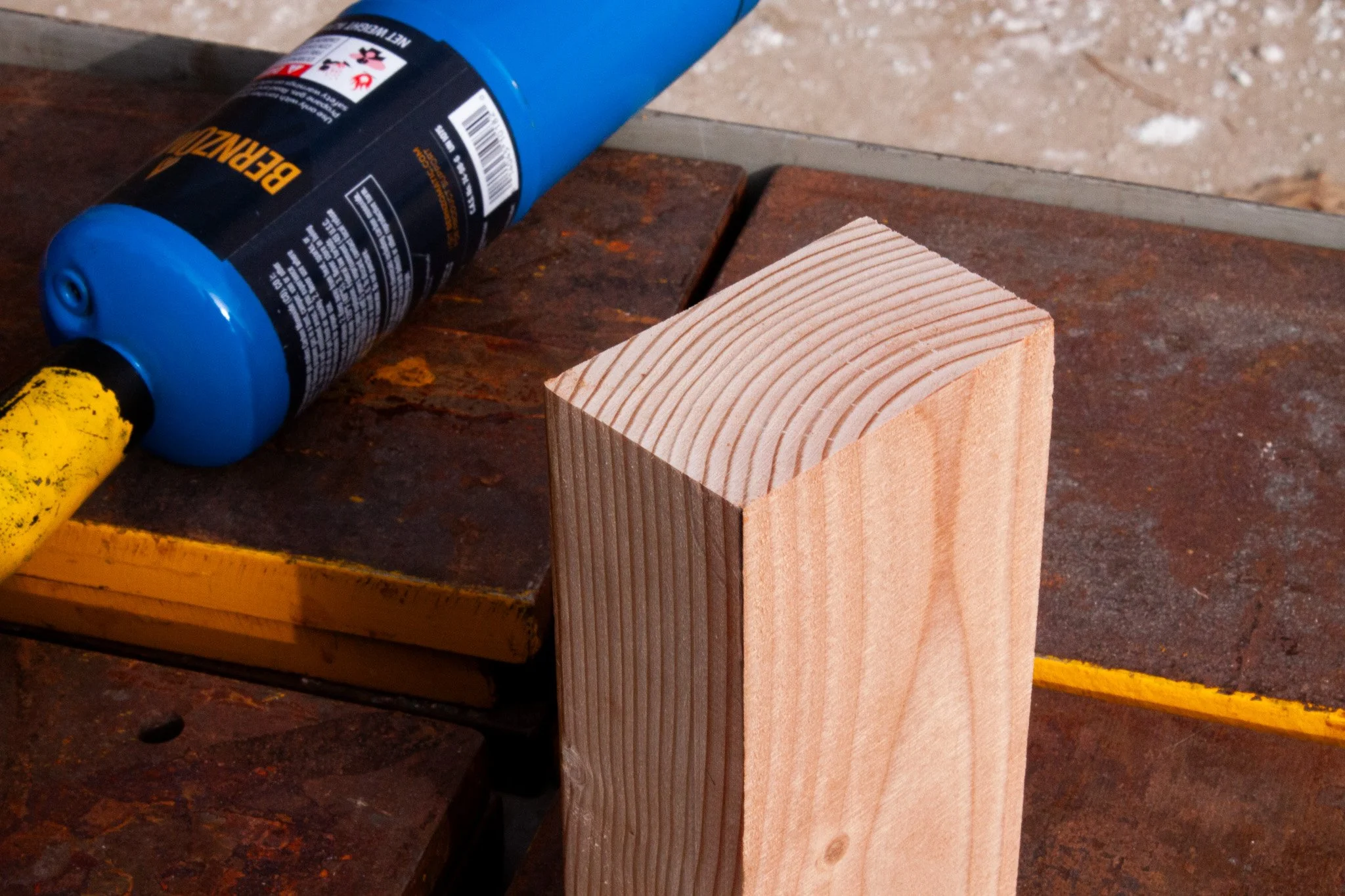
Employing a unique methodology involving wood, fire, ink, and paper, Craig materializes two-dimensional representations of wood grains through a relief printing process. The wooden printing blocks are gently burned in order to remove the softer spring growth within each annular ring, providing the texture necessary for direct relief printing. Once ink is applied, the paper is folded across the edges of the blocks. Any imprints left behind by industrial processes or everyday usage on the surface of the wood are captured.
In essence, Craig’s work serves as a visual and conceptual exploration, inviting us to reconsider our relationship with wood, acknowledge its intricate origins, and reflect on the interplay between our industrial practices and the living entities that fuel them.
Process
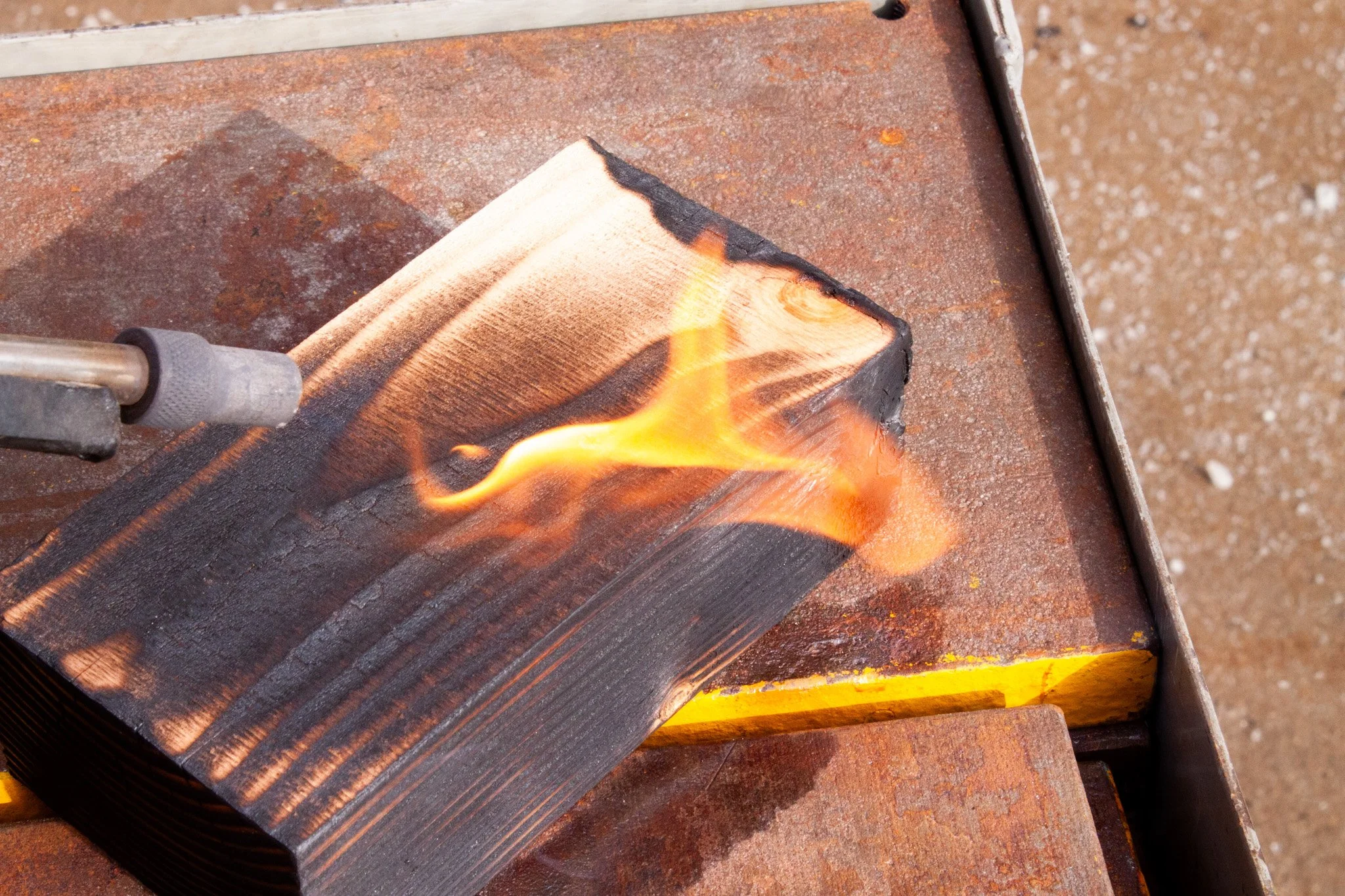
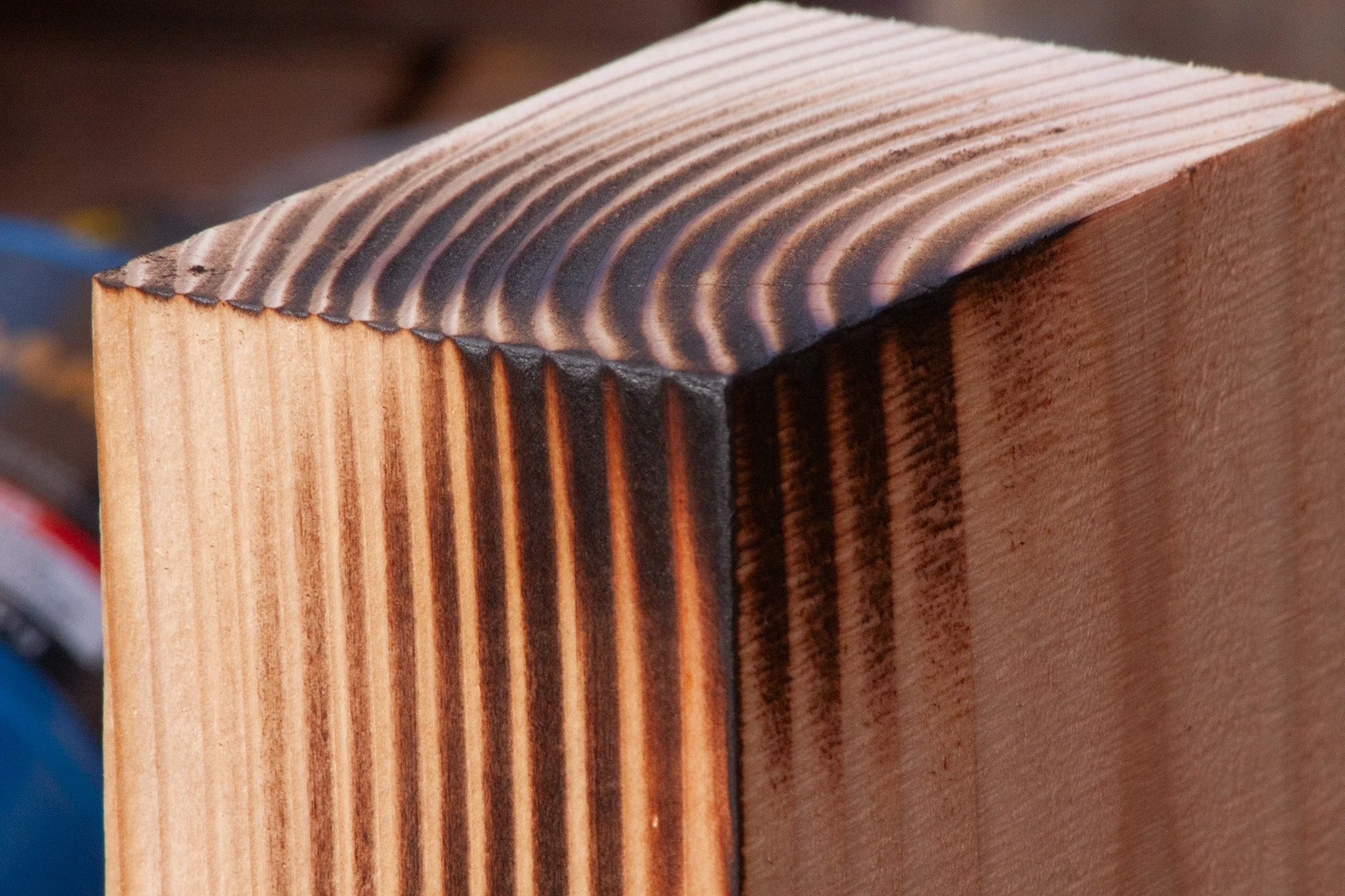
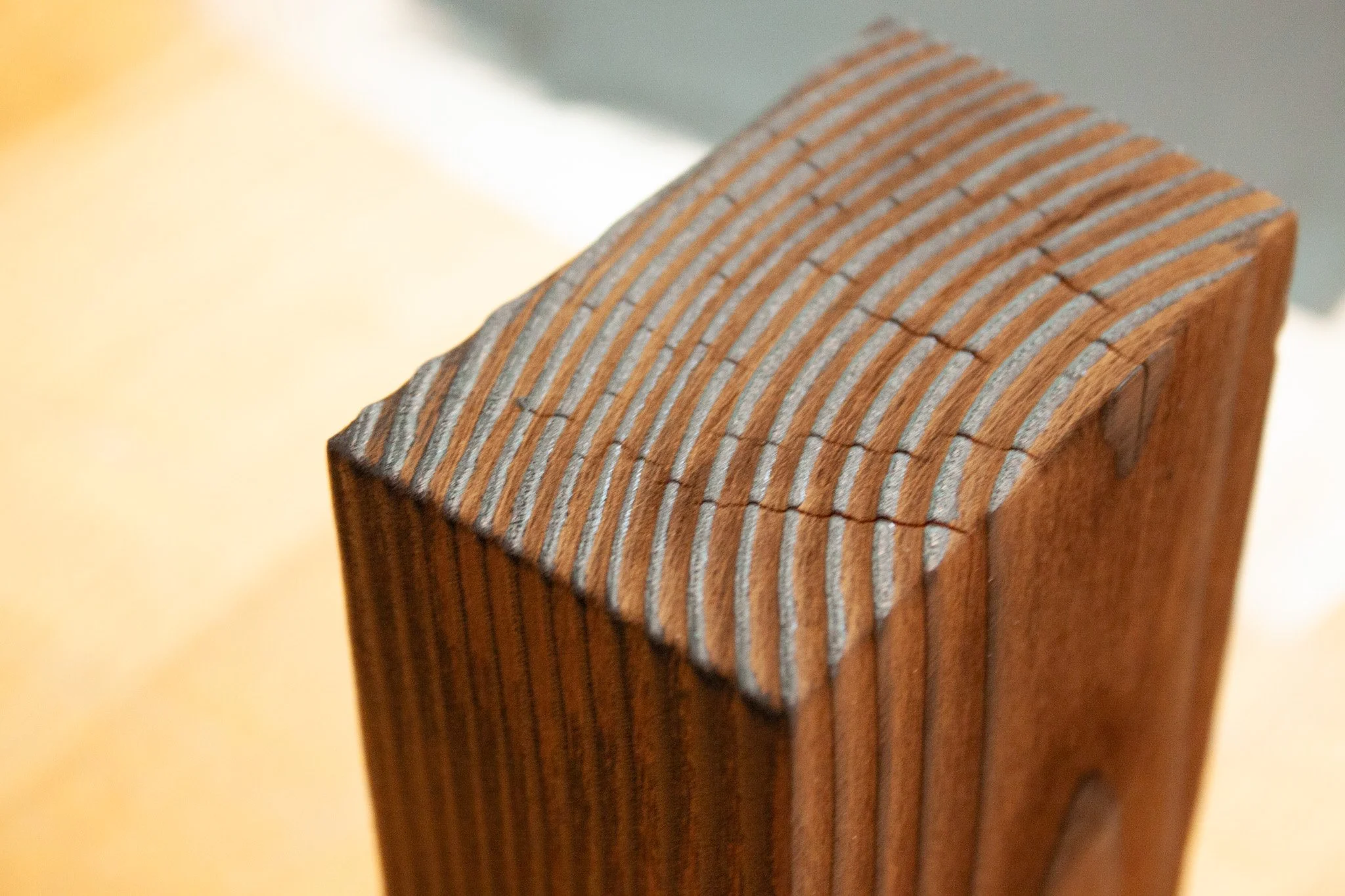
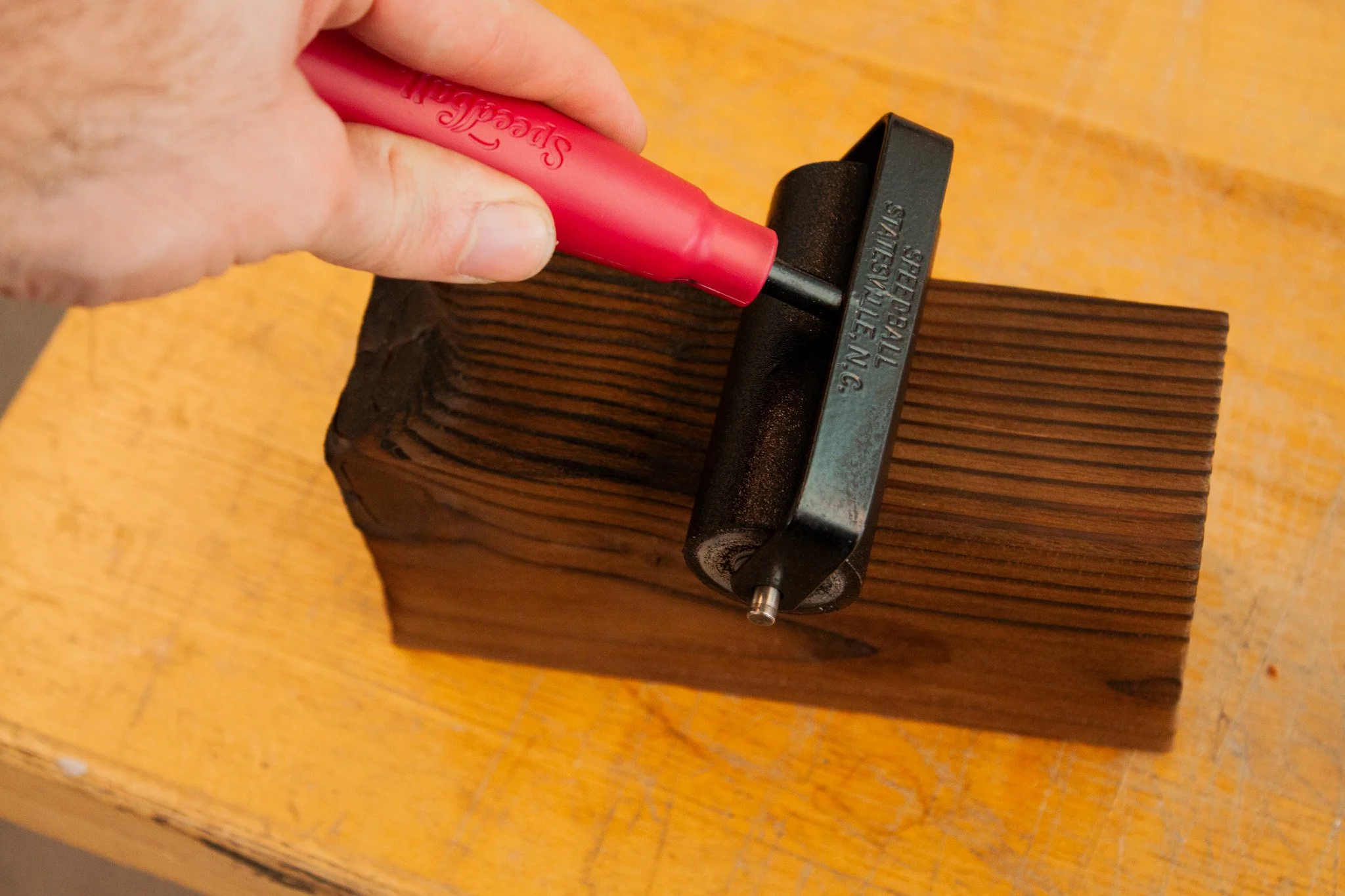
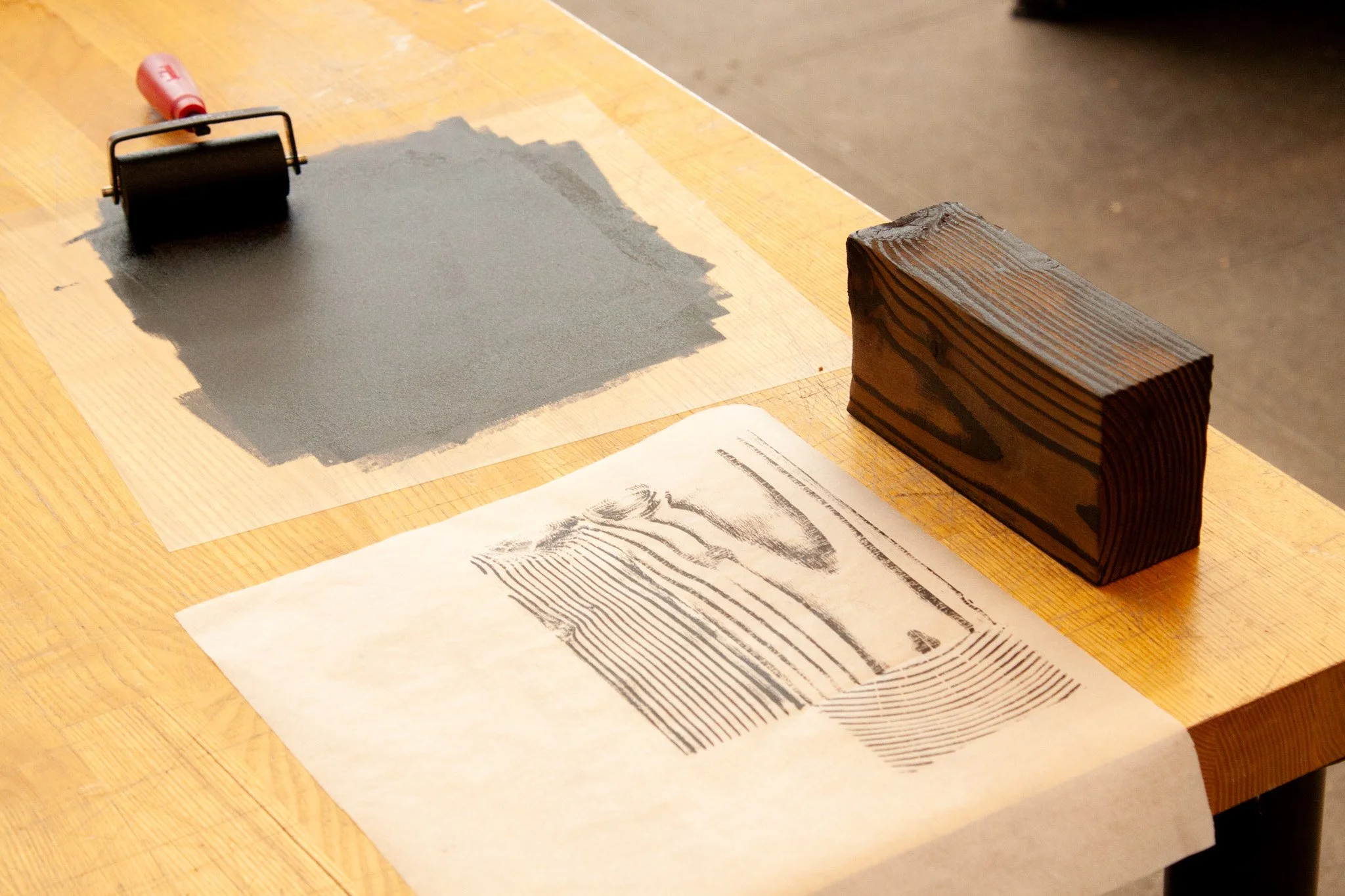
The process of working wood with your own hands connects you to the soul of a tree: for many woodworkers, sawing, chiseling and gouging into wood is more an active conversation with trees than the imposition of their own will onto an inert substrate. This series of prints aims to abstract this understanding of cutting wood as an act of revealing and reading through a process of direct relief printing. The cuts made into the wood are printed so that in the resulting image the wood unfolds onto the picture plane — visually chopping it into orthogonal sections on the page. The eye intuitively folds the wood back together, implying the space within the wood and inviting the imagination to consider the living matrix of embodied memory within both every tree and every two by four.